
ARC Raiders PvE Has a Griefing Problem Player Damage Cannot Solve
Understand how griefing persists without PvP, which reports need caution, and what safer cooperative raids require.
Overview
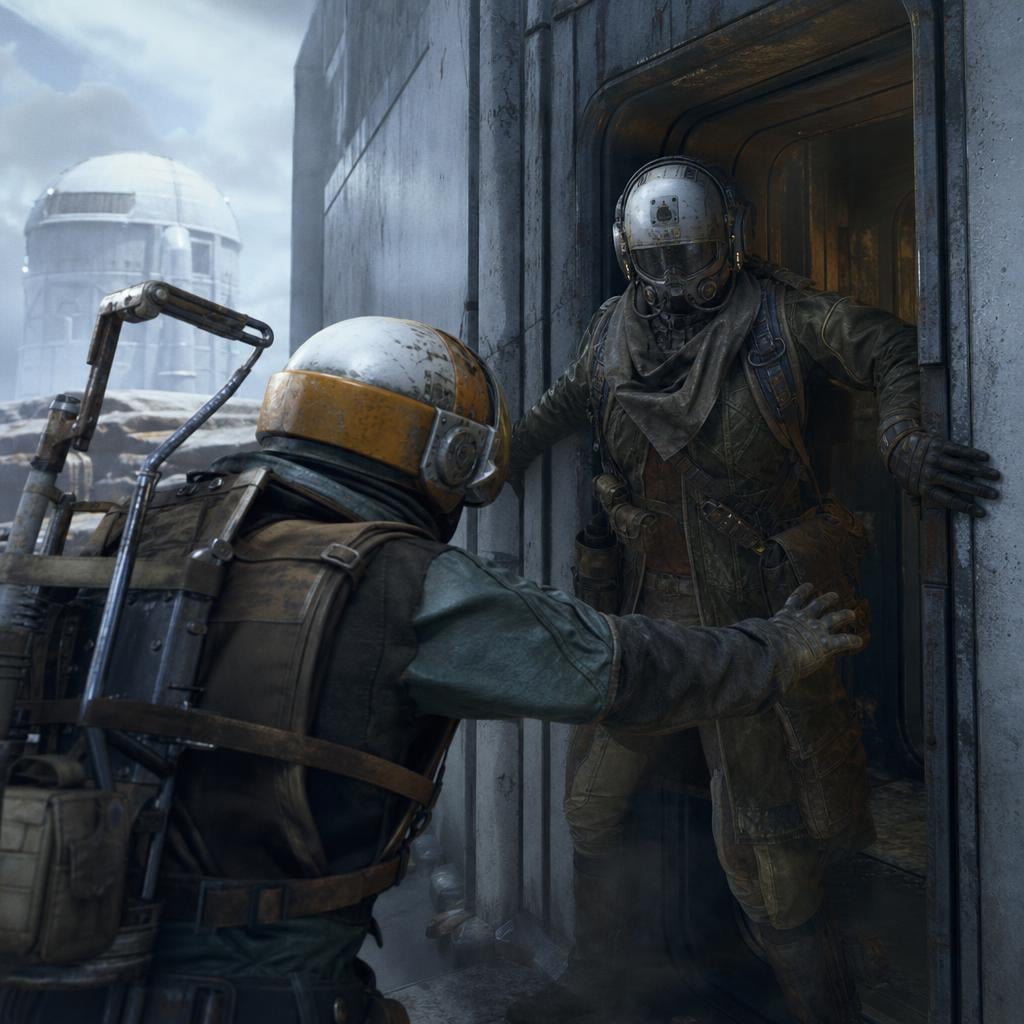
Removing player damage changes the danger of an ARC Raiders raid, but it does not automatically make every encounter cooperative. The limited-time PvE test offers a welcome way to tackle quests and gather resources without another Raider shooting you. Reports of obstruction, unwanted pursuit, and extraction interference nevertheless expose a separate problem: players can disrupt one another without dealing direct damage.
Understanding that distinction matters. Loot competition, deliberate griefing, and targeted harassment are not interchangeable. Each calls for a different response, and none should obscure the benefits that PvE brings to players who prefer fighting ARC rather than other Raiders.
What PvE Changes—and What It Leaves Intact
The PvE test disables player-on-player damage and is available under selected map conditions. That removes a major source of uncertainty: another Raider cannot simply turn a friendly encounter into a conventional gunfight.
For players focused on quests, exploration, and gathering ARC Raiders materials, that is a meaningful change. Less attention spent watching for hostile players leaves more room to learn machine encounters and plan a successful extraction.
However, disabling damage does not remove every interaction between strangers. Players still share space, encounter valuable loot, and converge on exits. Those shared systems can create friction even when weapons cannot directly hurt another Raider.
PvE removes a combat threat, not the possibility of disruptive behavior. That is the central design challenge. A mode can work as intended at the damage-system level while still leaving players vulnerable to interference elsewhere.
Where Disruption Becomes Harassment
Unwanted pursuit and inappropriate comments
A reported incident on Stella Montis involved a player repeatedly following a woman, asking about an item, blocking her passage, and making a sexual remark. Other players reportedly interfered with her attempts to extract and repeatedly struck at her with Raider Tools.
The important issue is not whether those strikes caused damage. Persistent unwanted pursuit combined with sexual comments and movement obstruction goes beyond ordinary competition over resources. It is targeted harassment.
The sexual nature of the reported comments also raises a concern about gender-based targeting. That does not establish how the same players would treat everyone else, but it should not be dismissed as harmless banter simply because direct damage is disabled.
Loot competition is a different category
Other reports describe players following groups and collecting loot from their ARC kills or searched rooms. There are also accounts of players waiting for others to complete an activity before rushing toward its rewards.
That behavior can be frustrating and opportunistic without necessarily constituting harassment. In a shared loot space, two Raiders may genuinely want the same reward. A single contested container does not establish a pattern of abuse.
The distinction becomes more important when the behavior is persistent. Following the same group specifically to disrupt every encounter is different from arriving at one loot location at the same time. Context, repetition, and accompanying behavior matter.
How Griefing Can Persist Without Direct Damage
Physical obstruction
Doorways and narrow passages become potential pressure points when one player can obstruct another. A Raider does not need to win a firefight to cause trouble if occupying a passage prevents someone else from leaving.
Extraction interference is particularly disruptive because it threatens the purpose of the entire raid: returning with resources and loot. A peaceful encounter can become stressful when another player repeatedly gets in the way at the exit.
Take a look at: how the PvE test handles loot and progression
Interference involving ARC
Players have also reported lure grenades being used to attract ARC during unwanted encounters. This illustrates why direct player damage is only one part of PvE safety. Hostile machines remain dangerous regardless of whether another Raider can shoot you.
Such reports should not be stretched into claims that every related interaction is a confirmed exploit. The relevant question is whether equipment intended for fighting or manipulating ARC can also be used deliberately to endanger another player.
Claims that still require verification
Accounts of forced movement near dangerous drops and equipment causing indirect harm deserve investigation, but they should not be presented as established mechanics without confirmation. A reported incident does not establish the exact interaction, its reliability, or whether it reflects intended behavior.
That distinction is useful for players as well as developers. Accurate reports help identify reproducible problems; repeating uncertain claims as facts makes the underlying issue harder to assess.
Why Some Players May Feel Bolder in PvE
In a mixed PvPvE raid, deliberately provoking another player carries the possibility of being attacked. Disabling that response changes the consequences of following, obstructing, or antagonizing strangers.
This does not make retaliatory shooting a solution to harassment. It simply explains why removing one consequence can expose other weaknesses in a shared multiplayer space. Players acting in bad faith may test interactions that no longer carry the same immediate risk.
It also does not mean PvE players are generally more toxic, or that players who enjoy PvP are responsible for every problem. Reports of unpleasant encounters coexist with accounts of peaceful, enjoyable raids. Neither experience establishes how common griefing is across the entire mode.
Individual incidents demonstrate that a problem can occur; they do not measure its overall frequency. Broader conclusions require more than a collection of memorable encounters.
The Matchmaking Question Remains Open
One proposed explanation is that PvE brings together players who would otherwise encounter different groups in mixed raids. If matchmaking handles player behavior differently between modes, some Raiders might meet disruptive strangers more often than expected.
That remains a hypothesis, not a confirmed explanation. There is no basis here to state that aggression-based matchmaking is disabled in PvE or that all players enter an identical matchmaking pool.
Clearer information about how the test groups players would help separate matchmaking effects from other possibilities. Changed incentives, shared loot pressure, and the novelty of the mode could also influence encounters. None should be treated as the proven cause without supporting evidence.
What Better PvE Safeguards Should Address
The test provides an opportunity to evaluate more than loot availability or machine difficulty. A cooperative mode also needs systems that limit deliberate interference between players.
- Movement obstruction: Review whether players can trap others in doorways or repeatedly prevent access to exits.
- Indirect danger: Investigate reports involving lure grenades, ARC targeting, forced movement, and other interactions that might bypass the intent of disabled player damage.
- Extraction access: Examine situations where another Raider can repeatedly interfere with someone trying to leave.
- Reporting and enforcement: Distinguish targeted harassment from ordinary disagreements over loot, while addressing repeated abusive conduct.
- Matchmaking clarity: Explain relevant differences between PvE and mixed raids without leaving players to treat speculation as fact.
These are areas for review, not claims that particular fixes have been announced. The goal should be to preserve spontaneous cooperation without allowing shared systems to become easy tools for harassment.
Practical Ways to Protect Your Raid
No player should be responsible for managing someone else's abusive behavior. Still, a few precautions can reduce exposure while preserving the value of a run.
- Disengage from unwanted arguments rather than letting them consume the raid.
- Use available communication controls when another player becomes abusive.
- If safe, move away from persistent interference instead of contesting every piece of loot.
- Avoid lingering near hazardous drops when another player is behaving unpredictably.
- Record relevant evidence when possible and use available reporting options for targeted harassment.
- Prioritize extraction when continued looting creates more exposure than the extra reward justifies.
For players managing ARC Raiders coins and replacement gear, this is also a sensible budgeting principle: a productive raid does not need to become a maximum-value raid. Returning with useful supplies can be preferable to staying in a deteriorating situation.
FAQ
Does PvE prevent every form of griefing?
No. Disabled player damage prevents direct combat between Raiders, but reports describe obstruction, unwanted pursuit, and interference around loot or extraction.
Is taking another player's loot automatically harassment?
No. Shared loot competition can be selfish or frustrating without being harassment. Persistent targeting, abusive comments, and deliberate obstruction change the context.
Is aggression-based matchmaking disabled in PvE?
That has not been established here. Claims that PvE combines every type of player into one pool should be treated as speculation.
Does this mean the PvE test has failed?
No. The mode can provide enjoyable questing and resource gathering while also revealing interactions that need stronger safeguards.
PvE Needs More Than Disabled Friendly Damage
ARC Raiders PvE offers a valuable alternative for players who want machine encounters without player gunfights. Reports of griefing do not erase that benefit, but they show why damage rules alone cannot guarantee a cooperative experience.
The useful response is neither to dismiss every complaint nor to classify every contested reward as abuse. Clear distinctions, careful investigation, and protections against repeated interference give PvE a stronger foundation—one where Raiders can share Topside without being forced to tolerate targeted harassment.


