
Path of Exile 2 Duelist and Shadow: Sword Stances, Dagger Combos and Traps
Understand four emerging weapon playstyles, their mechanical demands, and what early combat impressions reveal about their potential.
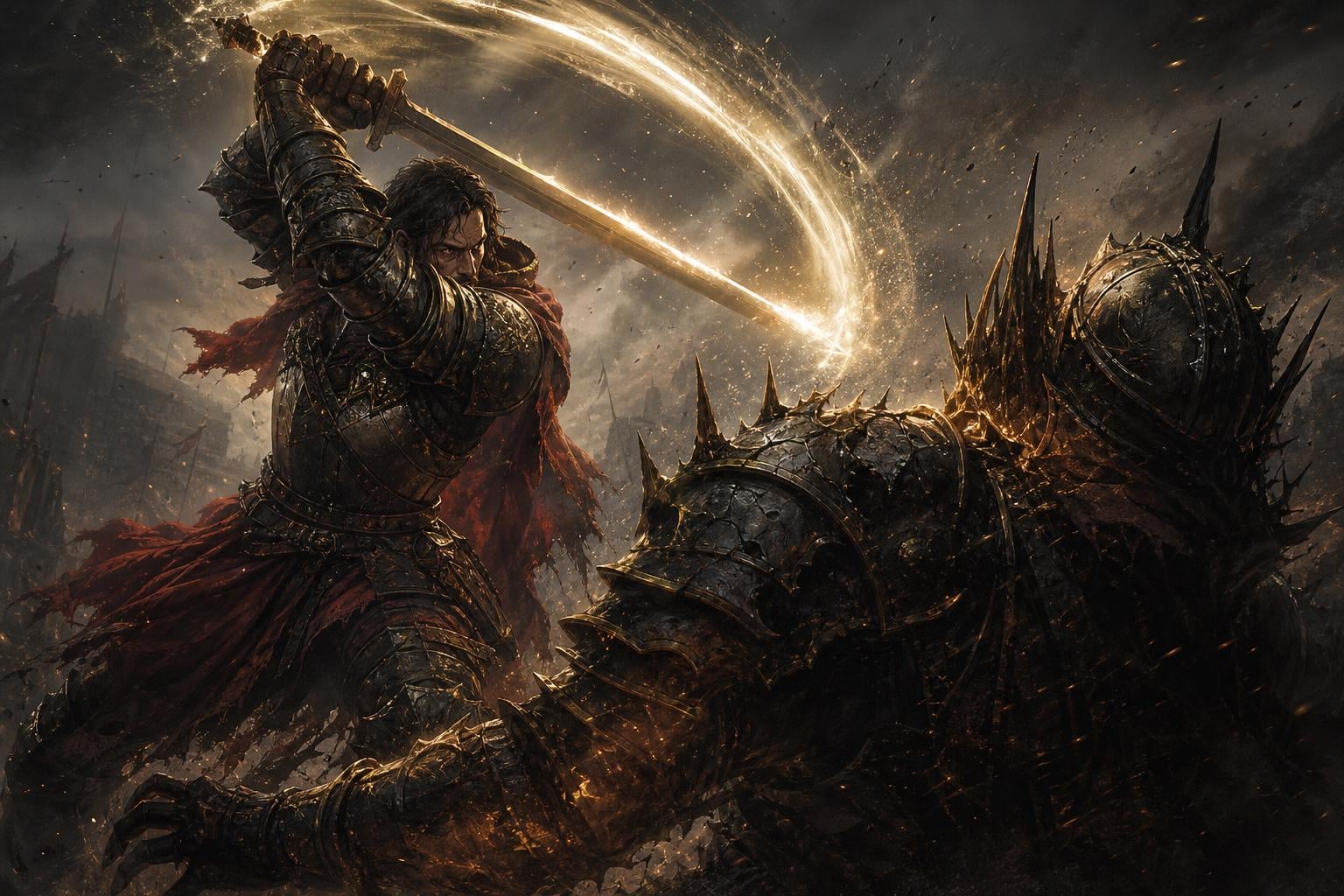
Overview
Path of Exile 2's Duelist and Shadow promise very different approaches to aggressive combat. Swords reward deliberate stance transitions and prepared finishers, while daggers combine fast movement with demanding ability sequences. Traps offer a more straightforward route to explosive burst. Understanding those differences helps separate an appealing combat fantasy from a playstyle that actually suits your preferences.
These are preview impressions rather than settled build rankings. The demonstrated encounters highlight promising interactions, but fixed passive trees, limited equipment and incomplete Ascendancy access leave important questions about progression and endgame consistency.
Four Playstyles With Different Demands
The useful comparison is not simply Duelist versus Shadow. Each class's associated weapons create substantially different rhythms.
- Two-handed swords: deliberate attacks, parry-driven stance transitions and large finishing blows.
- Dual-wielded swords: flowing blood-themed attacks, buildup mechanics and dash-based payoffs.
- Daggers: rapid repositioning and interconnected skills that demand careful sequencing.
- Traps: prepared damage, explosive pack clearing and opportunities to concentrate burst around boss openings.
The preview conditions matter. Sword testing used rare armour, magic starting weapons and a predetermined passive tree, while the Knight's Ascendancy choices were adjustable. Shadow testing lacked Ascendancy specialisation. Strong damage under those constraints is encouraging, but it does not establish a finished build's ceiling.
Duelist: Powerful Swords With a Deliberate Rhythm
Two-handed swords and stance timing
Two-handed sword combat centres on making an opening count. Parrying can lead into a stance that enables a stronger follow-up, but the transition itself requires commitment. Moving or starting another skill before the animation finishes can cancel the intended stance entry.
That distinction is crucial: successfully defending against an attack is not necessarily the end of the sequence. The character must finish transitioning before the payoff becomes available. Repeatedly interrupting that step can make an otherwise effective setup feel unreliable.
Sand Stance demonstrated an appealing payoff through a sweeping, thrown-sword attack. The concern is less its damage than the time required to access it safely. A readable boss attack may offer a suitable opening; a crowded encounter with overlapping hazards may not.
- Learn the complete transition animation rather than reacting only to the parry.
- Reserve longer sequences for openings that allow both setup and execution.
- Keep a usable fallback attack for situations where standing still is unsafe.
World Cutter rewards preparation
World Cutter stands out as a boss-focused finisher. Its appeal comes from combining the appropriate stance, a shocked target and accumulated Valor before committing to the wind-up. When those pieces align, the resulting hit delivers the intended heavy-sword payoff.
A sword granting additional melee skill levels also improved the demonstrated setup. That makes weapon quality an important variable when evaluating damage: a powerful finisher should not be judged independently of the equipment and preparation supporting it.
The practical question is whether the full sequence can be repeated safely. Large individual hits are valuable, but reliable execution matters more than a theoretical best-case strike.
Dual wielding offers a different flow
Dual-wielded swords emphasised Blood Stance and blood-themed skills. Their demonstrated loop involved building a bleed-related bar on enemies, then using dash skills to trigger a payoff and associated explosions.
This creates a more continuous rhythm than waiting for one large two-handed finisher. Build pressure, move through the target and convert that preparation into damage. Banners also complemented the demonstrated dual-wield setup.
Neither weapon configuration should be treated as universally superior. Players who enjoy deliberate burst may prefer a two-hander, while those drawn to linked attacks and movement may find dual wielding more natural.
Knight Choices: Valor, Shrine Effects and the Squire
Take a look at: Knight bleed, banner and Squire synergies
Valor supports direct combat
The demonstrated Knight options included Valor-related damage benefits, beams of light from sword attacks and a temporary random shrine effect earned through combat with rare or boss enemies.
The shrine component introduces variability. An acceleration or critical-strike-oriented effect can strongly enhance an offensive window, while another result may be less useful for the immediate encounter. Treat the strongest outcomes as bonuses, not as conditions required for the build to function.
This distinction matters when planning a boss rotation. A setup should remain workable without receiving its ideal random effect every time.

The Squire adds equipment demands
The Squire presents a different attraction: a companion that can be outfitted with equipment and skills. That flexibility also creates another set of progression requirements.
In the demonstrated setup, equipment eligibility prevented some newly dropped weapons from being usable by the companion, and limited access to Uncut Skill Gems restricted experimentation. Those constraints do not establish that the Squire is weak; they show why a companion-focused approach needs more preparation than simply allocating its Ascendancy option.
Before committing substantial Path of Exile 2 currency to supporting equipment, establish which items and skills the companion can actually use. Direct-combat Knight choices are easier to assess when the character's own weapon is already the main investment.
Shadow: Accessible Traps, Demanding Daggers
Traps concentrate damage into useful windows
Traps produced strong early impressions against both groups and bosses, even without Shadow Ascendancy bonuses. Their central appeal is understandable: place the damage in advance, then detonate it when the target becomes vulnerable.
The demonstrated ability to lay traps and trigger them manually creates a useful bossing pattern. Rather than spending an invulnerability phase attempting ineffective attacks, the player can prepare a burst for the next opening.
That does not guarantee effortless boss kills. Placement, timing and survival still matter. However, the relationship between preparation and payoff appears more immediately readable than the dagger combinations.
Daggers require more than fast attacks
Daggers combine mobility with a higher execution burden. Simply repeating an attack against a durable enemy can produce disappointing results if the supporting interactions are missing.
The previewed toolkit connects mechanics such as impales, Blade Vortex, shades and Nightmare. The important lesson is not to assume every component belongs in one universal rotation, but to identify what each chosen skill creates, consumes or enables.
- Identify the setup: determine which action establishes the condition your damage skill needs.
- Identify the payoff: understand when that condition should be consumed or exploited.
- Plan movement: use dashes and stealth-related tools to connect openings rather than interrupt the sequence.
- Practise against durable enemies: weak targets can die before a broken combination becomes obvious.
The result could appeal strongly to players who enjoy frequent inputs and precise execution. It is less obviously suited to anyone seeking a minimal-button clearing routine.
Ascendancy possibilities remain open
Assassin and Infiltrator were identified as Shadow Ascendancy options, but the available information does not justify complete build prescriptions. In particular, familiar rogue themes should not be mistaken for confirmed passive effects.
An Infiltrator interaction involving a totem activating traps in their placement order suggests interesting sequencing possibilities. It is not enough, by itself, to establish the Ascendancy's full identity or optimal equipment.
Take a look at: Squire companion build ideas
How to Choose Without Overcommitting
Choose around the mechanic you enjoy repeating, not the largest preview damage number. Sword players should test whether stance commitment feels satisfying under pressure. Dagger players should assess whether combining skills remains enjoyable after the novelty of fast movement wears off. Trap players should focus on placement and burst timing.
Keep a reserve of PoE 2 orbs for practical gear adjustments rather than spending everything to imitate an unproven setup. Establish a functional weapon and dependable defences before investing heavily in specialised interactions.
The strongest early impression is that these archetypes reward different kinds of preparation. Their eventual success will depend on how consistently that preparation survives real encounters—not simply how impressive a perfectly aligned burst looks.
Frequently Asked Questions
Are two-handed swords better than dual wielding?
The preview does not establish a universal winner. Two-handed swords emphasised prepared finishers, while dual wielding offered flowing blood-themed combinations and dash-based payoffs.
Why can a sword stance fail after a successful parry?
The transition animation must finish. Moving or using another skill too early can interrupt entry into the intended stance.
Are traps easier to learn than daggers?
The demonstrated trap loop was more immediately accessible. Daggers appeared to require a better understanding of linked mechanics and more frequent inputs to deliver their intended damage.
Does the Squire require separate investment?
Its equipment and skill options create additional requirements. Check item eligibility and available skills before planning a companion-dependent setup.
Do strong preview results guarantee a powerful endgame build?
No. Limited equipment, fixed passive choices and incomplete Ascendancy access make early results useful indicators of playstyle, not definitive rankings.