
Path of Exile 2 Ritual Farming Guide: City Routes, Tablets, and Omen Rewards
Plan your Ritual chain, invest in the right tablets, and manage tribute without wasting valuable rerolls.
Overview
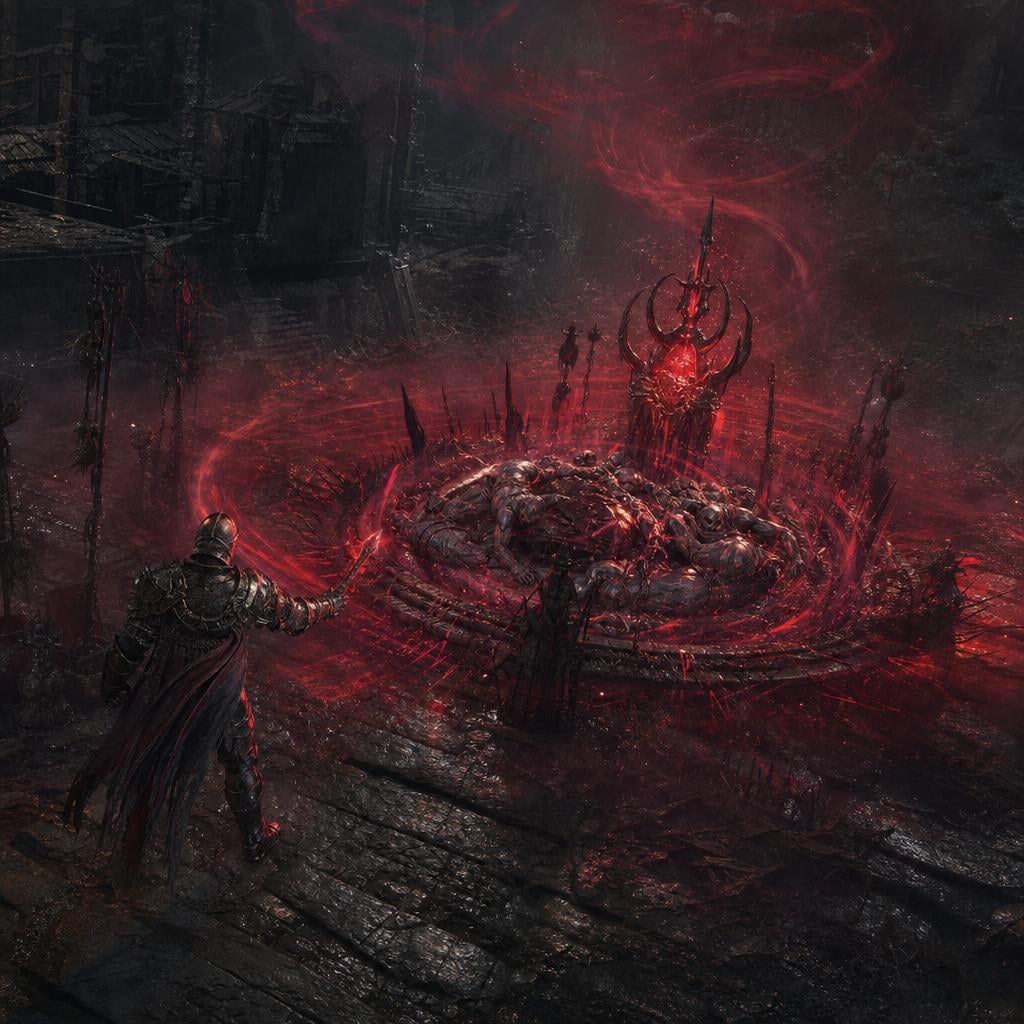
Learn how to build a city-focused Ritual route, separate inexpensive opening maps from heavily invested runs, and manage tribute so valuable rewards remain affordable. This approach targets Omens while using additional reward windows to create more opportunities for worthwhile finds.
The foundation is straightforward: invest where your Ritual chain provides the most rerolls, support those rerolls with enough tribute, and clear encounters efficiently. Strong results depend on all three working together—not simply on buying the most expensive tablets.
How the Ritual Farming Strategy Works
Ritual rewards are purchased with tribute earned through its encounters. Rerolling reveals another selection of favours, giving you additional chances to find valuable Omens and other desirable items. However, more reward windows only help when you have sufficient tribute to use them and secure important rewards.
This strategy divides a planned sequence into two stages: two cheaper opening maps, followed by four more heavily invested city maps. The opening runs build up the chain, while the later maps benefit from more rerolls and justify stronger tablets.
The objective is not to maximise every individual map at any cost. It is to concentrate your investment in the strongest portion of the route. For Path of Exile 2 currency farming, that distinction matters: gross reward value can look impressive while expensive setup choices quietly reduce net profit.
Strengths and limitations
- Reward exposure: More rerolls create more opportunities to find valuable favours.
- Scalable investment: Cheaper opening tablets keep the early stages economical.
- Clear upgrade priorities: Omen chance, tribute generation, and rerolls each serve a specific purpose.
- Upfront cost: Premium reroll tablets can require a substantial reserve.
- Variable returns: Valuable rewards are not evenly distributed between maps.
- Combat pressure: Confined Ritual encounters punish builds that struggle with dense packs.
Plan the Route Before Spending on Tablets
Start by identifying a suitable city cluster and the maps needed to reach it. A nearby tower can help establish a useful starting position and provide more accessible route options. Plan the sequence before committing your best tablets.
The recommended structure is:
- Use two opening maps outside the city with the cheaper tablet setup.
- Move into four city maps with stronger Omen and tribute modifiers.
- Take useful chain-wide favour and tribute bonuses early enough to benefit later runs.
- Check alternative route choices before locking in the sequence.
Bonuses that increase the number of favours are especially valuable because they expand reward exposure. A bonus that increases tribute from sacrificed monsters addresses the other half of the equation: having enough resources to act on those rewards.
Where the route offers an increased-favours bonus and an extra-tribute bonus, prioritise obtaining them before completing most of the expensive maps. Their value comes from benefiting the remaining chain rather than improving only a single encounter.
Do not spend premium tablets simply because a map is available. If the route has not reached the intended city stage, use the economical setup or continue pathing.
Tablet Priorities for Opening Maps and Cities
Opening maps: focus on Omen chance
The first two maps need a simpler setup. Prioritise tablets that increase the chance for Ritual favours to contain Omens. Rolls around 65% or higher are the suggested target, with stronger rolls worth considering when the price difference is reasonable.
Extra tribute from sacrificed monsters is less important in these opening maps because there are fewer rerolls to fund. Paying heavily for both modifiers at this stage can undermine the purpose of the cheaper setup.
Compare tablets by their relevant modifiers rather than their overall appearance. An impressive collection of secondary bonuses does not necessarily make a tablet better for this particular farm.
Take a look at: choosing a farming strategy that suits your build
City maps: combine Omen chance with tribute
The city setup uses two tablets with increased Omen chance and increased tribute from monsters sacrificed at Ritual. Aim for at least roughly 65% increased Omen chance and 20% increased tribute on those tablets.
The tribute modifier becomes important as the number of rerolls grows. Without it, a map can offer plenty of reward windows while leaving you unable to afford the best items.
Additional rare monsters or monster rarity can be useful secondary bonuses, but they should not displace the two main priorities. First secure the reward modifier and the tribute support; then compare optional improvements.
Premium rerolls and Freedom of Faith
A tablet that improves favour rerolls is the major premium investment. Each additional window creates another opportunity to find a valuable reward, making it particularly attractive for the later city maps.
It is still an optional upgrade rather than a requirement for starting. Establish that your build clears reliably and your tribute economy works before committing a large share of your PoE 2 Divine Orbs to it.
Freedom of Faith is included throughout this setup. Compare its tribute-related roll and purchase price carefully rather than assuming the most expensive listing is necessary. Small differences in a modifier are not automatically worth a large increase in cost.
Choose Waystones That Support Tribute Generation
The suggested Waystone baseline is at least 25% increased pack size and approximately 15–20% monster rarity. Pack size adds more monsters to encounters, while a greater presence of magic and rare enemies can support tribute generation.
These modifiers complement the tablet setup: tablets improve reward opportunities, while the Waystone helps supply the monsters needed to fund them.
- Pack size: Treat this as a core priority for the farm.
- Monster rarity: Use it to support tribute income alongside pack size.
- Manageable penalties: Exclude modifiers that make your build unreliable.
- Clear speed: Choose maps you can complete consistently rather than chasing difficulty for its own sake.
Ground effects can be particularly uncomfortable when Ritual confines movement. If a modifier repeatedly causes deaths or forces slow, cautious play, removing it from your purchasing criteria is sensible.
Likewise, increased monster elemental resistances should not be treated as a universally beneficial modifier. Its usefulness depends on the build and any specific item interaction. For a character without a relevant advantage, it can simply make enemies harder to kill.
Atlas Priorities and Build Requirements
On the Atlas tree, prioritise pack size wherever the available choices support it. Increased rare monsters can also help, including suitable terrain-specific options when the route passes through those areas.
For Ritual reward choices, favour additional reward opportunities while tribute remains comfortable. If valuable items repeatedly appear together and you cannot afford to secure them, shift toward more tribute rather than continuing to add reward exposure.
Atlas options that improve tablet effect are useful because they can strengthen both Omen chance and tribute generation. Additional modifiers on corrupted Waystones can offer further rewards, but the resulting difficulty still needs to suit the build.
An alternative approach uses higher-area-level maps in pursuit of better Omen outcomes. Do not treat a guaranteed increase in valuable purple Omens as established simply because the area level rises. Compare actual results before replacing a setup that already produces reliable tribute and fast clears.
Headhunter is an optional clear-speed tool for dense encounters with rare monsters. It is not a prerequisite. Reliable damage, sufficient defences, and the ability to handle crowded Ritual circles matter more than owning a particular unique item.
Manage Deferrals Without Sacrificing Rerolls
Tribute management is the most important active decision during the farm. Spending too much early can leave later rerolls unused; spending too little on important deferred items can allow them to disappear.
You do not need to defer every valuable item after every single reroll. Instead, monitor its status and protect it when necessary. A red border warns that an item needs to be deferred again or it will be lost.
A practical reward-management sequence is:
- Check each window for valuable Omens and other worthwhile rewards.
- Identify deferred items that require immediate attention.
- Reserve enough tribute for your remaining rerolls.
- Purchase affordable priority rewards or defer expensive ones.
- Reassess the tribute balance after each reroll.
Avoid treating a fixed number of windows between deferrals as a universal rule. The warning state and your remaining tribute are more useful than blindly following a schedule.
The goal is to see as many worthwhile windows as possible without losing rewards you have already identified. More rerolls are not valuable if using them prevents you from protecting your best finds.
Take a look at: low-budget farming methods for building an initial reserve
Use Productive Pathing and Track Real Profit
Travel maps between city clusters can support a separate, lower-investment farm. Breach or Abyss setups are options when the appropriate encounter is available. Otherwise, a straightforward tablet-focused approach can help offset the cost of reaching the next city.
Keep those travel setups separate from the premium Ritual package. Their purpose is to make movement productive, not to consume the resources reserved for the main chain.
Assess profit across multiple complete routes. Record tablet costs, Waystone costs, realised reward sales, and total time—including purchasing supplies and travelling between clusters. A rare high-value item can distort the apparent return from a short sample.
Keep a reserve for future runs rather than reinvesting everything immediately. Expensive tablets are worthwhile only when their additional rewards justify the additional cost for your build and market conditions.
Frequently Asked Questions
Do I need the expensive reroll tablet to start?
No. Begin with affordable Omen-focused tablets and verify your clear speed and tribute generation. Add premium rerolls once the setup runs reliably.
Why use cheaper tablets for the first two maps?
The opening maps have fewer rerolls in this route. Saving stronger tablets for the later city maps concentrates investment where more reward windows are available.
Which Waystone modifiers matter most?
Prioritise pack size and monster rarity, with suggested targets of at least 25% pack size and around 15–20% rarity. Avoid penalties your build cannot handle safely.
Must I defer an Omen after every reroll?
No. Watch its deferral status. If a red border appears, defer it again to avoid losing it, while preserving tribute for remaining rerolls.
Can Ritual guarantee a fixed hourly profit?
No. Reward luck, tablet costs, clear speed, and sale prices all affect returns. Evaluate net profit across several routes rather than judging the farm by one exceptional drop.


