
RS3 Returner Roadmap for 2026: UI, Necromancy Combat, Quest Priorities, and Smart Money Progression
Set up the new UI, learn an easy combat flow, pick the right quests, and fund upgrades with reliable early money-makers.
Overview
Logging into RuneScape 3 after a long break (or for the first time) can feel like being dropped into a theme park with 29 skills, four combat styles, hundreds of quests, and a bank full of items you barely recognize. This guide gives you a practical 2026 roadmap: what to set up immediately, what to focus on for fast account momentum, and what to ignore until it actually matters.
You’ll learn a clean UI baseline, a beginner-friendly combat plan built around Necromancy and Revolution, a quest-first progression strategy, a shortlist of approachable bosses to practice on, and several low-requirement money-makers to fund upgrades and supplies without getting stuck in a grind loop.
Start Here: Use the Wiki, Then Fix Your UI
Before you chase goals, make sure you can find things. The RuneScape Wiki is the fastest way to answer “what does this item do?”, “what’s the best training method at my level?”, or “what are the requirements for this quest/boss?”. You don’t need to memorize everything—just get comfortable looking up specifics when you hit a wall.
For the client itself, 2026’s UI changes make the first login much smoother. If you’re overwhelmed by panels and layouts, enable Classic Mode (open settings and search “classic”). It gives you a cleaner baseline that’s easier to build on.
Settings tip: search, don’t browse
RS3 settings are still deep. Instead of hunting through menus, use the settings search bar: type what you want (for example, “revolution”, “keybind”, “contrast”) and jump straight to it.
High Contrast Mode: the underrated questing tool
High Contrast Mode is useful even if you don’t consider yourself visually impaired. When toggled, it highlights interactable objects, NPCs, and key items—perfect for quests that ask you to click a tiny object on a cluttered screen.
- Enable it in Accessibility settings (search “high contrast”).
- For convenience, bind it to a key so you can toggle it on/off during quests.
Combat in 2026: A Simple Plan That Still Scales
RS3 combat is changing throughout 2026 as Jagex works to modernize and simplify the system, with other styles moving closer to Necromancy’s clarity. For right now, the most straightforward path for most new and returning players is: use Necromancy, run Revolution, and learn a basic adrenaline rhythm.
Why Necromancy is the best “returner” combat style
Necromancy is strong, structured, and has a clear upgrade path. It also asks less of you early on: fewer ability decisions and a more linear sense of what to do next.
- Clear gearing ladder: upgrade through tiers as your level rises.
- Beginner-friendly ability kit: less bloat, easier to understand.
- Great for PvM learning: you can focus on mechanics instead of juggling dozens of buttons.
As you level, you’ll unlock gear upgrade steps through the Necromancy progression tasks (often approached in “every 10 levels” chunks). That linear path is a major reason it’s recommended for anyone who wants reliable progression without relying on boss drop luck.
Revolution: the default that you should actually use
Turn on Revolution (search “revolution” in settings). You’ll know it’s active when you see the yellow highlight over your action bar slots. Revolution automatically fires abilities for you, which keeps your damage consistent while you learn encounters.
Important: you do not need full manual to do most content. A very effective middle ground is “Revo for basics, manual for spenders.”
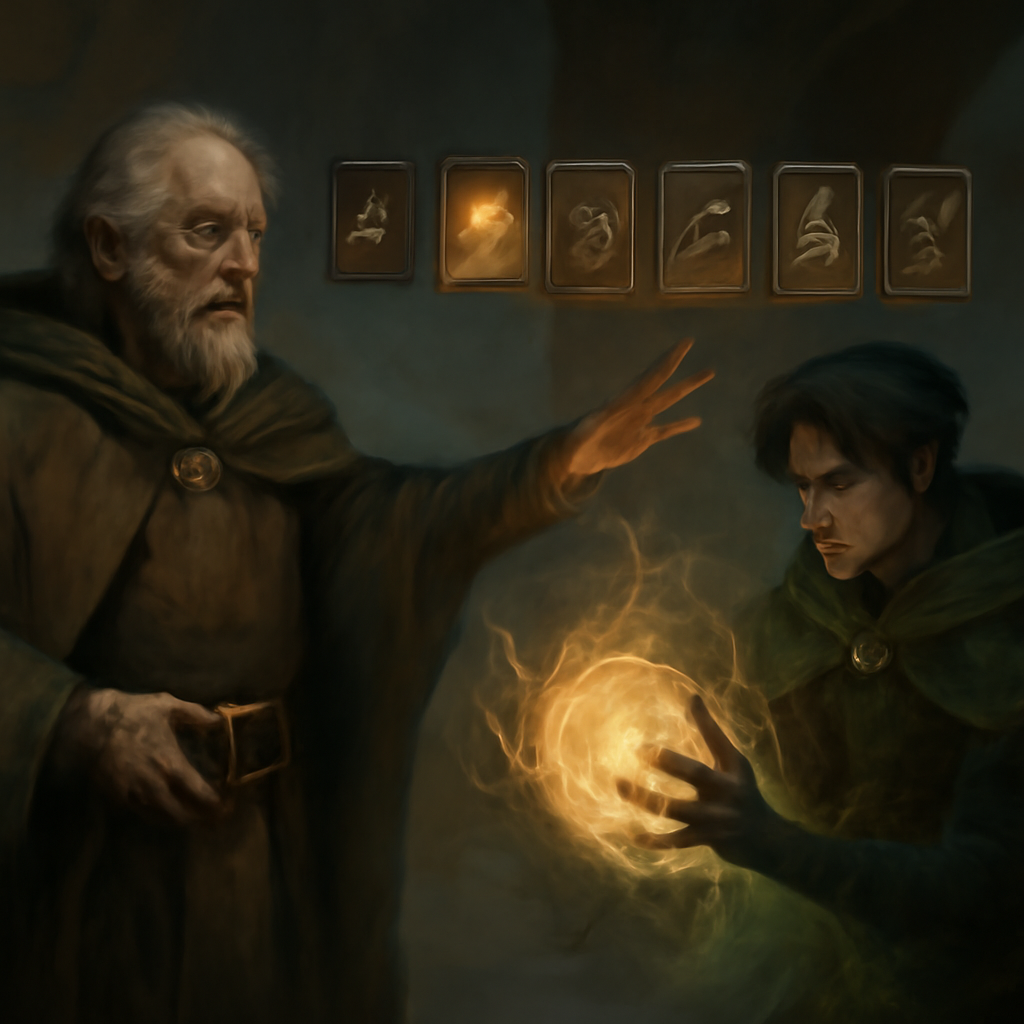
The best learning setup: basics on Revo, big hits on manual
Adjust Revolution so it only covers a few slots, then place your basic abilities in those highlighted slots. Put your adrenaline-spending abilities outside the highlighted area and press them yourself.
The concept is simple:
- Basics build adrenaline (your steady, automatic loop).
- Thresholds/ultimates spend adrenaline (your manual “power buttons”).
For Necromancy specifically, keep your basic builders inside the Revolution area (such as Soul Sap, Touch of Death, and your standard attack), and manually trigger your bigger damage options (for example, Finger of Death, Soul Strike, Death Skulls) when you have adrenaline and the boss is in a good window.
Keybinds that won’t fight your hands
Bind your most-used keys around the left side of your keyboard (1–4, QWER, and nearby keys). The goal is consistency: you want to press spenders comfortably without looking down or stretching.
What changes later in 2026 may mean for you
As other combat styles get streamlined to feel closer to Necromancy, the same “clear basics + intentional spenders” philosophy should apply broadly. The big difference is gearing: melee, magic, and ranged upgrades are more dependent on boss drops and market pricing rather than a linear task-based ladder. If you want the most predictable path, Necromancy remains the simplest backbone while the changes roll out.
Early Bossing Targets: Where to Practice Without Getting Crushed
Bossing is one of the best ways to develop combat fundamentals, but the key is picking fights that teach mechanics gradually.
1) New low-level bosses on Havenite (when available)
These are designed as a combat on-ramp. If you’re returning and want to re-learn movement, defensive timing, and basic rotations, start here once they’re live.
2) The “flesh hatcher” low-level boss (around 50–60 combat)
This encounter is commonly recommended because it’s approachable early and still teaches you how to react to a boss rather than just auto-attacking a big health bar. Use it as your first real test of: maintaining damage while stepping out of danger and keeping food/prayer usage under control.
Take a look at: our breakdown of the RS3 UI refresh and marketplace changes
3) Arch-Glacor (Elder God Wars Dungeon) for modular learning
Arch-Glacor is one of the best practice bosses in RS3 because you can enable mechanics one by one. Start with minimal mechanics, learn what each one looks like, then add more as you get comfortable. This is ideal for returners who want to build confidence without the “learn everything at once” pressure.
Questing as Your Main Progression Engine (Not a Chore)
If you want your account to feel like it’s moving forward every session, quests are the most reliable structure. They unlock areas, prayers, spells, skilling hubs, and quality-of-life upgrades that make everything else easier.
The best rule of thumb: use quests to cover skill requirements
Whenever you hit a skill requirement (for example, Crafting), check whether there are quests available that grant experience in that skill. Early quests often give 2–5k XP, which is huge when you’re low level, and it saves you from doing slow training methods before you have good tools.
This also prevents the classic burnout pattern where players ignore quests for months, then face a massive “quest wall” when they finally want a major unlock.
Iconic early goal: Dragon Slayer
Dragon Slayer is not always strictly required for modern progression, but it’s an excellent early milestone: it nudges you into gearing, preparation, and basic combat competence, and it’s a classic piece of RuneScape identity.
Mid-to-late quest chase goals worth planning around
- Desert Treasure: unlocks Ancient Magicks and expands your combat options.
- Temple at Senntisten: unlocks Curses, a major prayer upgrade path.
- The World Wakes: strong lore payoff and powerful damage-boosting abilities.
- Plague’s End: unlocks Prifddinas, a premier skilling and utility hub with high requirements that naturally “round out” your account.
- Fort Forinthry + Necromancy questline: ties directly into Necromancy progression and unlocks a highly useful account hub for skilling and future money-making.
Early and Mid-Game Money: Reliable Methods Before Endgame Bossing
Endgame PvM is often the best profit, but you don’t need it to fund meaningful upgrades. The goal early is consistent income that pays for training, supplies, and gear improvements.
Here are several low-requirement options that tend to stay relevant because they’re simple and repeatable:
Fort Forinthry: making frames
Fort activities can be a steady earner, and they fit naturally into an account that’s already doing the Fort questline for progression. It’s also a good “low attention” option while you plan bigger goals.
Clue scrolls for Fortunate components
Clues can be surprisingly consistent because Fortunate components (from certain clue uniques) often maintain strong value. The key advantage is that these can appear across multiple clue tiers, so you’re not locked into only elite-level clue farming to see worthwhile returns.
Runecrafting: especially Necromancy runes
Rune demand fluctuates, but Necromancy-related consumables often stay healthy because so many players use the style. If you enjoy skilling loops, rune crafting can be a clean way to build a cash stack while also progressing an important skill.
Dragonhide tanning
Buying hides and tanning them is a classic “simple margin” method. It’s not glamorous, but it’s straightforward, scales with your starting cash, and teaches you how to watch margins and volume.
Take a look at: the full overview of RS3’s integrity reset and combat simplification
Crafting battlestaves or making teleport tablets
These are practical production methods that can be profitable when margins are favorable. They also pair well with a “daily/weekly” rhythm if you prefer short, predictable sessions.
A 2026–2027 watchlist: gathering supplies may rise
With major MTX-related item removals expected in early 2027, there’s a real possibility that raw gathering (logs, basic materials, and other training inputs) becomes more valuable as players rely more on traditional supply chains. This won’t be guaranteed profit, but it’s worth monitoring if you like low-barrier skilling money.
What to Spend Your GP On: Upgrades That Actually Move the Needle
In the early and mid game, the best use of your cash is usually anything that increases your effectiveness: better gear, better training methods, and enough supplies to keep sessions smooth. Hoarding money often slows you down.
This is also where many players consider topping up their bank for upgrades. If you’re comparing options, think in terms of opportunity cost: having RS3 gold available for key unlocks and supplies can be the difference between “stuck doing slow methods” and “reaching the content you actually want to play.”
Time efficiency vs. money saved (the most important skilling mindset)
A common trap is choosing a much slower training method just to “save” money. Instead, compare:
- How much GP you save by training slowly
- How much time you lose
- What you could earn with your best money-maker during that saved time
Example logic: if a faster method costs 10M more but saves you 3 hours, and your comfortable money-maker is 5M/hour, those 3 hours are worth 15M. In that case, spending 10M to save 3 hours is profitable in the long run and gets you to your unlock sooner.
This isn’t about forcing sweaty efficiency—just make sure you’re not accidentally turning every goal into a longer grind than it needs to be.
Dailies, D&Ds, and Time-Locked XP: Use Them, But Don’t Depend on Them
RS3 has historically had extremely strong daily and time-locked experience sources, sometimes to the point where training the “normal” way felt inefficient. For example, certain Divination activities could outpace regular training so hard that players felt obligated to log in on a timer.
In 2026, expect adjustments. Practical advice:
- Use high-value dailies if they fit your schedule and are still strong.
- Don’t build your entire plan around them, because they may change or be removed.
- Prioritize evergreen progress: quests, unlocks, gear, and learning combat fundamentals.
The Biggest Trap for Progression: Paying for Membership With Bonds Too Early
Buying membership with bonds using in-game GP can be reasonable for players who genuinely need that option. But for many early and mid-game accounts, it creates a loop where you spend a large part of your membership time grinding just to afford the next bond.
When bond prices are high, the math often looks like this: you’re committing many hours every two weeks to “maintain membership,” which can crowd out the fun parts of the game—questing, boss learning, and account upgrades.
If you can pay membership with real money, using your GP for progression typically accelerates your account far more: upgrades, supplies, and unlocks lead to better money-making later. Players who want to shortcut the slowest parts of rebuilding a bank sometimes look for trusted RS3 gold site with secure payment and customer support options, but the core principle remains the same: invest currency into things that increase your earning power and enjoyment.
Frequently Asked Questions
Is Necromancy still the best combat style for returning players in 2026?
For most returners, yes. It has a clear gear ladder and a simpler ability kit, which helps you relearn PvM without juggling too many systems at once.
Do I need full manual to do bosses like Arch-Glacor?
No. A strong setup is Revolution for basic abilities and manual inputs for adrenaline spenders. That approach scales into a lot of higher-level PvM.
What should I do if I’m overwhelmed by quests and requirements?
Pick one major unlock quest as a “chase goal” (like Plague’s End), then work backward: complete prerequisite quests and use quest XP rewards to cover skill gaps.
What are good low-requirement ways to build a starter cash stack?
Fort Forinthry frame-making, clue scrolls for Fortunate components, rune crafting (including Necromancy runes), and dragonhide tanning are all common early options.
How do I avoid running out of supplies while learning PvM?
Budget for deaths and consumables as part of learning. Keeping a buffer of RuneScape 3 gold for food, potions, and gear repairs makes practice sessions less stressful and more consistent.