
ARC Raiders Frozen Trail 2.0 Explained: Outposts, Research Bench, Loot Changes, and Key Balance Updates
Learn what Frozen Trail 2.0 changes for progression, loot routes, crafting priorities, and extraction success in ARC Raiders.
Overview
ARC Raiders Frozen Trail 2.0 at a Glance
What you'll learn: This guide breaks down the most important gameplay changes in Frozen Trail 2.0, with a focus on how they affect progression, crafting, extraction planning, and combat efficiency. If you want smoother advancement, better loot decisions, and a clearer idea of what to prioritize after the update, this is the practical overview to start with.
Frozen Trail 2.0 is one of the biggest updates ARC Raiders has received so far. While the headline features are easy to spot, the real impact comes from how many systems now connect more cleanly: outpost progression, a new research bench, blueprint discovery, map routing, quest rewards, trader inventories, and a long list of combat and loot balance changes.
The update adds a new map in Pendola Pass, new enemies, new weapons, new utility items, a revamped skill tree, and a reward pass system. Just as important, it also changes how players think about ARC Raiders Items, blueprint unlocks, stash management, and long-term base development. Frozen Trail 2.0 is not just content expansion. It is a progression rework that makes the game feel more structured from early runs to high-value extractions.
The Biggest New Systems in Frozen Trail 2.0
Outposts and the Research Bench
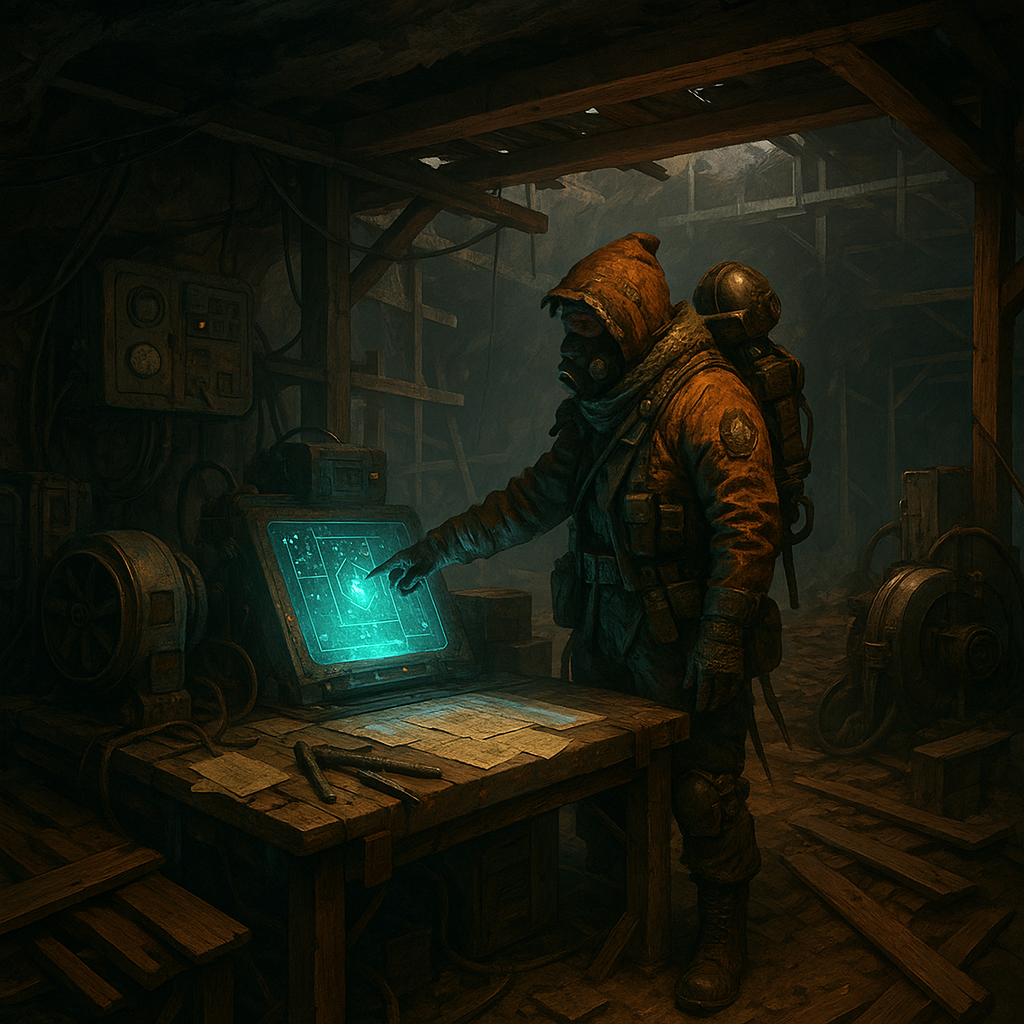
The most important addition may be the new Outpost system. Once unlocked through a project chain, the Outpost becomes a new progression hub that expands over time with different modules and room options. More importantly, it houses the Research Bench, which appears set to become a major pillar of long-term account growth.
This changes the value of scavenging in a meaningful way. Furniture designs are now lootable collectibles, and many of them work similarly to blueprint unlocks. Some are found while exploring topside, some are tied to special content, and others unlock through Outpost upgrades. That means a wider range of loot now matters beyond pure sell value.
For players focused on efficient progression, this is where ARC Raiders Blueprints and account planning become more important. The update pushes the game further toward account development instead of only raid-by-raid profit.
Blueprint Learning Feels More Flexible
One of the most exciting takeaways from the update is how broad blueprint learning now feels. Between weapon stencils, furniture designs, and research-related unlocks, ARC Raiders is leaning harder into discoverable progression. Instead of treating every run as a simple resource grab, players now have more reasons to target specific buildings, loot containers, and map sectors.
This also helps the overall economy of ARC Raiders crafting Materials and utility loot. Items that once felt disposable may now support a larger unlock chain through the Outpost and workshop ecosystem.
Pendola Pass and the New Loot Logic
Dynamic Loot Zones Make Routes Less Predictable
Pendola Pass introduces a dynamic loot zone system that could become one of the most important map-level changes in the game. The key idea is that loot value can shift between raids, making static route memorization less reliable. Importantly, areas still keep their basic loot identity, so a residential zone remains residential, but one run may offer much stronger returns than the next.
This is a healthy change for replayability. It rewards awareness and adaptation instead of autopilot pathing. It also means players looking for ARC Raiders extraction loot should pay more attention to conditions on each deployment rather than blindly repeating the same route.
For economy-minded players, this may also reduce the efficiency gap between veterans who know one perfect path and everyone else. Smart looting now depends more on reading the raid than on following a fixed script.
Map Conditions Expand Tactical Variety
Frozen Trail also introduces new map conditions, including Frigot and Redirection. Even without digging into every edge case yet, the broad takeaway is clear: map state matters more than before. Conditions can influence movement, visibility, pressure, and extraction timing. That makes utility tools and survival planning more valuable than simple raw firepower.
As these systems settle, expect flexible loadouts to outperform overly narrow builds. A run that includes mobility, sustain, and scouting can adapt better when conditions or enemy pressure create problems.
New Weapons, Utility Tools, and Combat Identity
Bantam and Stiletto Join the Arsenal
The update adds the Bantam and Stiletto, giving players more variety in the weapon ladder. The Bantam also gains extra importance because the Anvil has been moved from green rarity to blue, changing where it sits in the game’s economy and progression curve.
This is a smart adjustment. The Anvil has long performed above its old rarity tier, and raising its rarity better reflects its versatility against both raiders and ARC targets. In practical terms, that means beginner ARC Raiders Weapons choices are being reshaped. Players who once leaned on the Anvil as an easy early staple may now need to transition through different sidearm options first.
Amplified Weapons and Mod Changes
Amplified weapons get more attention in this patch, and some supporting parts have been reworked around them. The Anvil Splitter is no longer a normal mod and instead becomes an intrinsic upgrade path for the amplified Anvil. Existing copies still retain value because they can be recycled into amplified fragments for repairs.
This is one of those changes that quietly affects item value across the board. Players holding old parts should reevaluate what is worth selling, storing, or converting. It also reinforces the value of preserving specialized components and ARC Raiders Mods that feed into later upgrade loops.
Take a look at: our full Frozen Trail 2.0 patch notes breakdown
New Utility Items Could Change Raid Planning
Frozen Trail adds a grappling hook, cameras, a tea launcher, a yank grenade, a mountaineer’s detector, and even musical social items like the banjo and harmonica. Not every addition will define the meta, but several clearly matter for gameplay.
- The grappling hook opens new movement options and gives players another way to cross dangerous terrain.
- Cameras now matter for quest progression, which means utility inventory planning is more important.
- Detection and displacement tools may become stronger in both PvE pressure management and PvP positioning.
Together, these additions support more specialized raid preparation. Instead of bringing only damage and meds, players may need to think harder about objective tools, traversal, and information gathering.
Major Balance Changes That Actually Matter
Explosives Are Better Against Armor
The explosive damage formula has been reworked so weapons like the Hullcracker deal much more damage to armor plates, while losing some efficiency against fragile weak points. This makes intuitive sense and gives explosives a clearer battlefield role.
Against heavily armored ARC enemies, that means explosive weapons should feel more consistent and more purposeful. If a target’s outer shell is the real obstacle, cracking armor first is now more rewarding than before.
This can also influence how players prioritize ARC Raiders gear upgrades. If explosives become more reliable, ammo planning, repair costs, and weapon slot choices may shift accordingly.
Queen and Matriarch Farming Has Changed
One of the most significant PvE changes is the relocation of higher-tier loot from external leg armor pieces to the actual leg components on the Queen and Matriarch. That means players can no longer treat these fights as simple armor plate farming. To get the best value, they will need to commit more fully to the kill or at least to more precise part destruction.
This should make boss encounters more engaging and less exploitable. It also changes the risk profile of those runs. Farming these enemies now demands better execution, better part targeting, and stronger extraction discipline afterward.
Heavy Shield Gets a Useful Buff
The Heavy Shield sees durability and movement adjustments that make it less punishing to carry. It still needs the right build support to shine, but it is now easier to justify in defensive or pressure-based setups.
This may not instantly create a shield meta, but it does improve a niche option that already had tactical value in close fights and controlled pushes. Players experimenting with defensive setups should keep an eye on how it pairs with the revised skill tree and stronger mobility tools around it.
Snap Hook Nerfs Define a New Mobility Split
The Snap Hook has reduced range, higher durability consumption, and a greater power cost. The stated goal is to separate its role from the new grappling hook. Instead of being an all-purpose movement answer, Snap Hook is now more of a burst mobility tool that asks for stronger commitment.
This is a meaningful identity change. Mobility gadgets are no longer just a straight upgrade ladder. Players will need to choose based on route style, engagement range, and escape plans.
Quality-of-Life Improvements That Improve Every Raid
Frozen Trail 2.0 includes a long list of quality-of-life improvements that may not sound flashy but will improve daily play a lot.
- You can now drop loot directly from containers to the ground.
- You can open the map while downed.
- Hit registration while shooting on top of ARC enemies has been improved.
- Scrambling helps players get over awkward slopes more reliably.
- Sliding and movement interactions have been polished.
- Audio positioning and contextual animations are more readable.
These changes reduce friction in small but constant ways. Over time, they increase survival odds because fewer deaths come from clumsy inventory handling, unclear movement, or bad information.
Questing, Traders, and Progression Flow
Take a look at: this progression guide for smarter looting and upgrades
Quest XP Is Finally Visible and Meaningful
Quests and quest objectives now grant visible XP, which is a major improvement for progression clarity. Several older tasks have also been updated to use the new camera system. This gives objective runs more obvious value, especially for players who want steady account growth rather than pure PvP hunting.
In practical terms, this makes mixed-purpose raids stronger. A run that combines scavenging, objective completion, and a safe extraction can now feel much more rewarding than before.
Trader Inventories Have Been Reshaped
Trader offers have changed in ways that matter for both economy and planning. Celeste now sells materials tied to furniture and new gameplay items. Some former staple offers have moved out of fixed trader inventories and into weekly Nomadic Envoy rotation. Apollo gains epic augment access, while Casio now supports additional quest interactions.
This means players should check traders more actively instead of assuming old purchase routines still apply. It also increases the relevance of ARC Raiders progression resources because account growth now depends on a wider mix of rotating offers, project requirements, and utility crafting demands.
Weapon Stencils, Reward Pass, and Cosmetic Progression
Weapon stencils are a cosmetic addition, but they are implemented in a way that still fits ARC Raiders’ risk structure. Stenciled weapons can be lost and looted like any other gear, which preserves the game’s tension.
The new reward pass system also expands progression rewards beyond the older structure. Feats are now divided into easy, medium, and hard categories with different point values, plus weekly milestones. This should make seasonal progress easier to understand and more rewarding for different playstyles.
While these systems are cosmetic-heavy, they still influence player behavior by creating more reasons to engage with varied objectives and raid types.
What This Update Means for Smart Progression
The core lesson of Frozen Trail 2.0 is that ARC Raiders now rewards broader planning. The best runs are no longer just about finding a high-value chest and sprinting to extract. Players need to think about Outpost expansion, Research Bench requirements, quest tools, trader rotations, blueprint unlocks, and map-specific loot variance.
That makes preparation more important. It also increases the value of stockpiling useful loot and ARC Raiders Materials for future projects rather than instantly liquidating everything for short-term gain. For players who want to avoid bottlenecks, building up a reserve of common and mid-tier components will likely feel much better than chasing only headline valuables.
As the new systems settle, efficient players will likely focus on three priorities:
- Unlock the Outpost and Research Bench early.
- Carry objective tools like cameras when quest lines call for them.
- Adapt routes based on dynamic loot value instead of forcing old habits.
That approach should create smoother advancement than simply chasing fights or repeating outdated farm loops.
Frequently Asked Questions
How do you unlock the Outpost in Frozen Trail 2.0?
You unlock it by completing the related project chain, which includes using the new camera for objective steps. Once finished, the Outpost opens up expansion options and access to the Research Bench.
Why is the Research Bench so important?
It appears to be a major part of long-term account progression. It gives more value to collected loot, unlock paths, and stored crafting components.
Did the Anvil get nerfed?
Not directly in power. Its rarity was increased from green to blue, which changes how early and how cheaply players can access it.
Is Pendola Pass worth learning right away?
Yes. The dynamic loot zone system makes it one of the most interesting maps for adaptive looting and route planning after the update.
What should players hoard after this patch?
Keep flexible utility loot, quest-related tools, and general upgrade stock. With Outpost growth and research systems added, many items now have more long-term value than before.


