
ARC Raiders Frozen Trail Patch Changes Explained: Weapons, Mobility, Traders, and Progression
Learn what the Frozen Trail update actually changed in moment-to-moment gameplay, and how to adjust your loadout, looting, and progression plans.
Overview
The Frozen Trail update adds a lot of obvious headline content to ARC Raiders, but the most important changes for active players are the ones that reshape how matches feel minute to minute. Beyond Pendola Pass, new enemies, and new gadgets, this patch also changes explosive damage, reworks mobility tools, adjusts trader inventories, updates quest rewards, and shifts how a few key weapons fit into the economy.
This breakdown focuses on the practical side of the update: what changed, why it matters, and what players should prioritize when they jump back into the Rust Belt and the new northern routes. If you are trying to protect your stash space, plan smarter loot runs, or avoid wasting valuable ARC Raiders Materials on bad upgrade paths, these are the details worth knowing first.
The Biggest Frozen Trail Gameplay Changes at a Glance
Frozen Trail is more than a content drop. It also rebalances several systems that affect both PvE and PvP decision-making. The most important broad changes include:
- Solo vs squads matchmaking has been removed for now.
- Explosive damage is stronger against armor plates but weaker against fragile weak points.
- The skill tree has been adjusted again, with buffs to several stamina and recovery perks.
- Stash capacity increased by two more tiers, which matters because the update adds many new loot types.
- Snap Hook mobility was nerfed to define it more clearly as burst movement rather than all-purpose traversal.
- The Anvil moved up in rarity, while the new Banttom fills the lower-tier hand cannon role.
- Heavy Shield received notable buffs that could push it back into real loadout consideration.
- Quest completion now grants XP, making progression smoother and more predictable.
These are not just background tuning notes. They directly affect how players build kits, route through maps, and decide what loot and resources are worth carrying out.
Matchmaking and General Gameplay Adjustments
Solo vs Squads Is Gone for Now
The removal of solo versus squads is a meaningful playlist change, even if it was not heavily used. For solo players, this means fewer self-imposed challenge runs and a more standardized matchmaking environment while the developers reassess the mode.
In practice, this should make queue behavior more consistent, but it also removes one niche way to test high-risk builds. If you normally played solo for efficiency, your extraction planning matters even more now because you cannot rely on that separate challenge setting as a different pace of play.
Loot Handling Is Smoother
One of the best quality-of-life changes is the ability to drop loot directly to the ground from containers. That sounds small, but in a game built around constant inventory triage, it speeds up decisions a lot. When you are comparing ammo, healing, valuables, and ARC Raiders crafting Materials, every second saved in a hot zone matters.
The patch also closes off a few awkward movement and inventory interactions, including sprint climbing ladders while exhausted and some cases where weight reduction effects could be used beyond intended loadout limits.
Downed Players Can Open the Map
This is a quietly excellent change. If you are downed and still have a chance to recover, being able to check the map helps you judge nearby extracts, route options, and whether a teammate can realistically reach you. It improves decision-making without adding any artificial power.
Explosive Damage Has a New Role
The explosive damage formula against ARC enemies has been reworked. Explosive weapons now deal much more damage to armor plates, but less to fragile parts and exposed weak spots.
That means the old habit of relying on explosive burst for every target state is less efficient. Instead, explosives now have a clearer identity: they are better for cracking armor and preparing a kill than instantly deleting exposed cores.
This matters most against tougher enemies with layered protection. If you use launchers or explosive-focused ARC Raiders Weapons, the ideal pattern becomes:
- Use explosives to strip armor efficiently.
- Swap to precision damage or sustained fire when weak points are exposed.
- Avoid wasting expensive ammo on already vulnerable target states.
That last point is especially important for players watching their coin balance and stockpile. With trader changes also limiting some ammo access, careless explosive use can become a real drain on progression resources.
The Anvil, Banttom, and Other Weapon Changes
The Anvil Moves Up the Economy Ladder
The Anvil has been promoted from green rarity to blue rarity. That is one of the most impactful economy changes in the patch because the weapon was already a favorite thanks to its versatility against both raiders and ARC.
The developers clearly judged that it was too strong for its old place in progression. Rather than gut its performance, they moved it higher in rarity so it better matches its power level.
For players, the takeaway is simple: expect the Anvil to feel more premium in your gearing path. It is still strong, but it is no longer positioned like an easy early staple. That changes how newer players think about beginner ARC Raiders Weapons and when to invest in hand cannon builds.
The Banttom Fills the Lower-Tier Hand Cannon Slot
With the Anvil moved upward, the new Banttom takes over as the more accessible revolver-style option. This should create a cleaner progression curve for sidearms and hand cannons, especially for players building out a practical early roster instead of jumping straight to top-tier favorites.
The Banttom is not just new content for the sake of variety. It is part of a larger rebalance of weapon identity and item economy.
Anvil Splitter Is No Longer a Standard Mod
The Anvil Splitter is no longer used as a normal mod and is now tied into the amplified weapon system as an upgrade path element. Existing copies can still be sold or recycled into amplified fragments for now.
If you are sitting on one, this is not the kind of item to hoard forever. Fragments are useful, and update transitions often make legacy pieces less valuable over time. Players focused on ARC Raiders build upgrades should think in terms of conversion value rather than collector value.
Jupiter and Miscellaneous Weapon Fixes
The Jupiter had an unintended interaction fixed, and its performance now follows a similar logic to the explosive changes: better into armor, a bit weaker into weak spots. Other weapon fixes are mostly visual or bug-related, but they should improve consistency when looting or inspecting gear.
Take a look at: our Heavy Shield guide
Heavy Shield Might Finally Be Worth Running Again
The Heavy Shield received two buffs that stand out immediately. Its durability decay was reduced dramatically, and its movement penalty was lowered from 15% to 10%.
That combination could make it a legitimate choice instead of a niche novelty. The Medium Shield has long been the safer all-purpose pick, but Heavy Shield now offers a better tradeoff than before, especially for players who want to survive aggressive peeks or cross dangerous sightlines with more confidence.
It may not become universal overnight, but it is now much easier to justify in a ARC Raiders survival loadout items setup built around deliberate pushes, team cover, or close-range pressure.
Mobility Gadgets Were Rebalanced

Scrambling Adds New Terrain Options
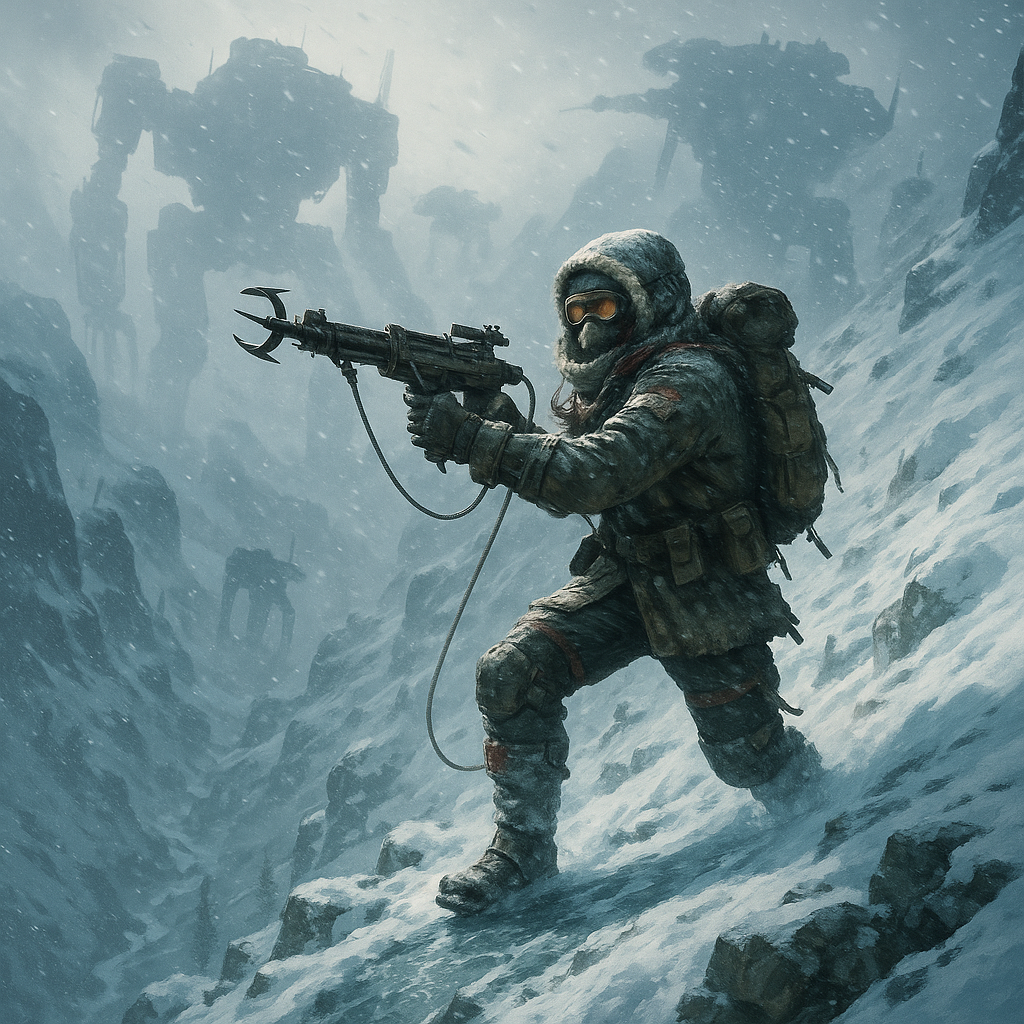
A new scrambling mechanic allows players to sprint up steep slopes for a short time. This is a meaningful traversal addition because it improves route flexibility without fully replacing gadgets. Expect terrain knowledge to matter more on Pendola Pass and any map with uneven elevation.
Snap Hook Took a Real Nerf
The Snap Hook now has reduced range, doubled durability consumption per use, and higher power cost. This is one of the patch's clearest intentional nerfs.
The goal is obvious: the Snap Hook is no longer meant to be your answer to every movement problem. It is now a more committal burst mobility tool, while the new grappling hook and other traversal options carve out their own roles.
For practical loadout planning, this means:
- Do not treat Snap Hook as endless utility.
- Budget its uses for combat repositioning or emergency traversal.
- Value batteries, power management, and replacement gadgets more carefully.
That also increases the importance of efficient looting. If your route depends on gadget sustain, keeping enough support gear and ARC Raiders extraction loot becomes part of the plan rather than an afterthought.
Flame Spray and Zipline Changes
Flame Spray received a range improvement to better match its visuals and feel more reliable. Ziplines can now break when they intersect with objects after placement, which should reduce odd edge cases and make gadget behavior more readable.
ARC Enemy Changes Affect Farming and Fight Tempo
Armor Breaking Matters More
Because explosives are better into armor and weaker into exposed weak points, the whole rhythm of fighting heavier ARC shifts slightly. This is reinforced by loot changes to major enemies like the Queen and Matriarch, where higher-tier loot has been moved from outer leg armor to the protected leg pieces themselves.
That means players are encouraged to commit to fuller takedowns instead of only clipping outer parts and rushing in for premium drops. It should reduce opportunistic loot-snatching and reward squads or solos who actually finish the job.
Vaporizer and Matriarch Updates
The Vaporizer's multi-target laser now gives players a clearer dodge window, which should make the attack feel fairer without making the enemy harmless. The Matriarch also regained access to its full ranged attack set, so fights against it may feel more complete and potentially more dangerous again.
For farming routes, this means enemy knowledge remains just as important as weapon choice. Better loot does not help if your team burns too many meds, ammo stacks, and repair resources just to secure the kill.
Trader Changes Will Reshape Ammo and Gear Planning
Frozen Trail also updates trader offers in ways that matter for progression and stash management.
- Celeste now trades new materials tied to furniture and newly added gameplay items.
- Tanwen no longer sells the Anvil and Hallcracker directly, and launcher plus energy clips now have daily purchase limits.
- Shaunie shifts to coin-based offers for social items like cameras and light sticks.
- Apollo now offers epic augments.
- Casio joins the nomadic envoy pool and also provides quests.
The biggest practical shift is ammo access. If you relied on buying lots of launcher ammunition, your habits probably need to change. You may need to craft more, loot more intentionally, or reserve explosives for high-value targets only.
This makes ARC Raiders Coins and material usage more strategic. It also gives extra value to players who maintain a healthy reserve of crafting inputs instead of spending every match chasing only weapons or valuables.
Take a look at: our skill tree guide
Quest XP and Progression Feel Better
Quest completion and quest objectives now grant XP, and the reward display makes that clearer. This is a strong progression improvement because it gives players a more predictable sense of account advancement, even in runs where pure loot value is mediocre.
Some older quests that involve taking photos now properly require a camera, which adds consistency but also introduces a small preparation check. Before heading into a quest-focused run, make sure your utility slots support the objective. Forgetting a camera is now a real waste of time.
For players trying to optimize ARC Raiders Workbench progression and broader account growth, this is a good patch for mixing objective runs with loot runs instead of treating them as separate grinds.
Stash Size, Inventory Pressure, and Why It Matters More Now
The stash cap increased again, reaching a new base maximum before additional expedition and envoy bonuses. That is a very welcome change because Frozen Trail adds more items, more crafting components, and more progression clutter to manage.
Extra space is not just a comfort feature. It directly affects how efficiently you can stockpile upgrade parts, hold situational gadgets, and save rare components for future systems. Players who engage heavily with ARC Raiders rare Blueprints, amplified gear, or outpost systems will feel this immediately.
Even with more space, though, discipline still matters. Keep what supports your next upgrade threshold, your preferred loadouts, and your active quests. Sell or recycle the rest before your inventory becomes a bottleneck again.
Map, Audio, and UI Updates That Improve Everyday Play
Not every useful change is flashy. Frozen Trail also includes several smaller improvements that add up over time:
- Character audio now interacts with walls and obstacles more naturally.
- Snap Hook sound feedback is clearer.
- Quest list sorting is easier to follow.
- The end-of-round screen now previews milestone progress and rewards.
- Ribbon Tides loot value increased by around 15%.
That Ribbon Tides loot bump is especially notable for players planning efficient resource runs. If you are testing routes for better returns on ARC Raiders resource farming, it is one of the map changes most worth verifying in live play.
What Players Should Prioritize After the Patch
If you are jumping into Frozen Trail and want the smoothest adjustment period, focus on these priorities first:
- Re-evaluate explosive loadouts and stop assuming they are best for every damage phase.
- Test the Heavy Shield again if you previously dismissed it.
- Use Snap Hook more carefully and plan around fewer total uses.
- Check trader inventories before committing to ammo-hungry builds.
- Make room in stash for new gadgets, materials, and amplification-related items.
- Combine quests with loot runs now that XP rewards make them more efficient.
Players who adapt quickly to these system-level changes will get more value from every run, especially when balancing combat power, extraction reliability, and long-term stockpiles of loot and resources.
Frequently Asked Questions
Is the Anvil still good after the patch?
Yes. Its power was not the main target; its rarity and economy placement were. It should still feel strong, but it is less of an easy-access option.
Did the Snap Hook get heavily nerfed?
Yes, especially in durability efficiency. It now costs more per use and should be treated as burst mobility rather than general traversal.

Is Heavy Shield worth using now?
It looks much more viable thanks to lower movement penalty and far better durability behavior. It is worth retesting in both PvE and PvP loadouts.
Do quests give better progression now?
Yes. Quest objectives and completions now grant XP, which makes objective-focused runs more rewarding even when your loot haul is average.
What is the most important economy change in Frozen Trail?
The Anvil rarity shift and the trader ammo limits are the biggest practical changes. Both affect how you spend coins, save materials, and plan future upgrades.