
ARC Raiders Amplified Weapons: Best PvE and PvP Upgrade Priorities
Learn which amplified weapons deserve your resources and which upgrades best support your preferred fights.
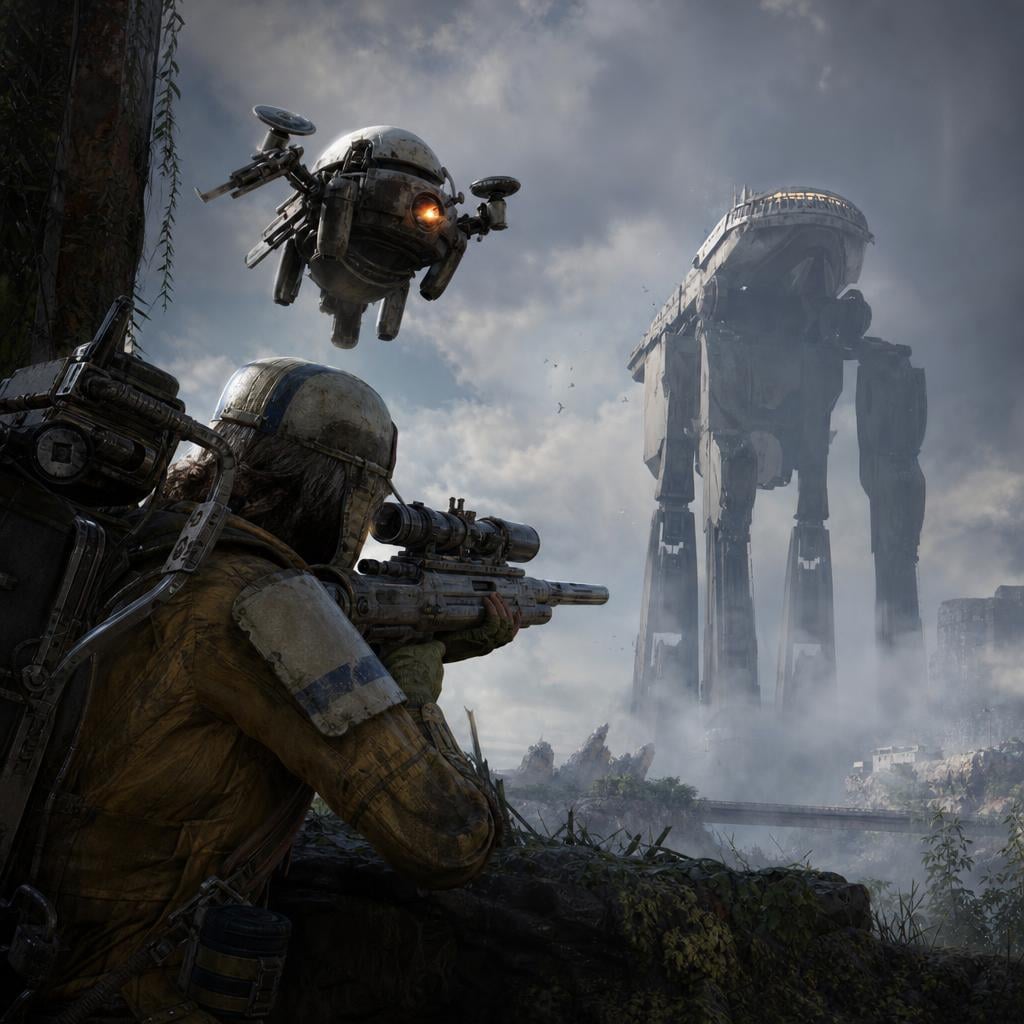
Overview
Amplified weapons can change much more than damage in ARC Raiders. Larger magazines, different reload systems, incendiary ammunition, and weapon conversions can reshape how a gun handles an entire encounter. This guide explains which upgrades deserve priority for PvE and PvP, where expensive legendary projects fit, and how to avoid spreading your materials across too many unfinished weapons.
How to Prioritize Weapon Amplification
The best starting point is a weapon you already enjoy using. An impressive fully upgraded legendary is not automatically a better investment than a simpler upgrade that improves every raid you play.
Focus on the problem an amplification solves. A larger magazine helps sustain pressure. A faster reload reduces downtime. An ammunition upgrade can improve performance against a specific target. These practical benefits matter more than completing an upgrade collection.
- For dedicated PvE: prioritize Jupiter, Equalizer, Hullbreaker, or Anvil according to your resources and preferred handling.
- For dedicated PvP: consider Kanto, Il Toro, and an amplified Rattler.
- For limited playtime: finish one useful upgrade path before starting several expensive projects.
- For experimental builds: save situational weapons until your reliable loadouts are established.
Treat your ARC Raiders materials as a progression budget rather than something every weapon needs to consume immediately. Keep enough resources available to replace the equipment you actually take Topside.
Best Legendary Upgrade Order for PvE
1. Jupiter: The First Legendary to Prioritize
Jupiter offers the strongest first investment among these legendary options for players focused on fighting ARC. Its doubled magazine capacity is the standout benefit: more shots before reloading mean longer firing windows and fewer interruptions during an engagement.
That improvement changes magazine management, not the ammunition cost of each individual shot. Avoid confusing a larger magazine with free ammunition or automatically cheaper damage.
The scope option adds another useful advantage. It makes distant targets easier to engage, while the weapon's strong hip-fire performance keeps it practical when smaller threats close the distance. The result is a weapon that supports both deliberate ranged shooting and urgent defensive shots.
Prioritize Jupiter if difficult machine encounters are your main objective and you can support the investment. Its appeal comes from combining sustained fire with flexible engagement distances.
2. Equalizer: Sustained Damage With PvP Potential
Equalizer is the next legendary worth serious attention. Its ramp-up upgrade improves sustained damage, while the expanded magazine increases capacity from 50 to 80. Together, those upgrades reward opportunities to maintain pressure instead of repeatedly interrupting fire.
It also offers credible PvP performance. That versatility makes it appealing for raids where fighting machines and encountering other Raiders are both realistic possibilities.
However, effectiveness does not remove replacement risk. An expensive upgraded weapon is not necessarily the sensible choice for every extraction attempt. Build it when its combat role matches your plans, rather than treating it as mandatory everyday equipment.
3. Aphelion: A Later, More Situational Project
Aphelion can produce powerful single-shot outcomes, but its upgrade investment is harder to justify as an early priority. Its charge time demands preparation, and spread becomes an additional consideration at longer distances.
Those limitations matter against coordinated opponents. A dangerous shot is only useful if there is enough time and space to prepare it. Players who pressure aggressively or deny a clean opening can make its theoretical payoff difficult to realize.
For PvE progression, Jupiter and Equalizer are stronger priorities. Keep Aphelion as a later project for its distinctive playstyle rather than rushing it because of isolated one-shot highlights.
Practical PvE Upgrades Beyond Legendaries
Hullbreaker: Choose Between Burning Pressure and Reload Convenience
Hullbreaker offers two particularly useful directions. Incendiary ammunition supports a hit-and-reposition approach: apply the burning effect, move while it continues dealing damage, and re-engage when appropriate.
The fire does not stack. Repeated hits should not be treated as a way to build unlimited overlapping burn damage. Its value is the continuing pressure it provides while you are doing something other than firing.
If you prefer the weapon's standard behavior, the magazine reload upgrade is a straightforward alternative. Replacing individual reloads with a magazine reload changes the weapon's downtime and makes replenishing it more convenient.
Choose according to the problem you want to solve. Incendiary ammunition changes your damage pattern; the reload option improves handling between firing sequences.
Take a look at: our amplified Equalizer guide
Anvil: A Focused Upgrade With a Clear Target
Anvil with X rounds is an appealing project because its recommended path is relatively focused. Rather than pursuing a long collection of separate improvements, you can concentrate on the upgrade that changes its performance against armor.
The clearest example is shooting a Hornet's front wing. Where a standard shot may only break the armor, the upgraded version can remove the wing with that hit. Crossing that breakpoint makes the weapon more dependable when a flying threat needs to be disabled quickly.
For players who already like Anvil, this is a practical amplification target. It improves an established role instead of asking you to learn an entirely different weapon to benefit from your investment.
Best Amplified Weapons to Consider for PvP
Kanto: Carbine Conversion and Incendiary Pressure
Kanto's carbine conversion gives it increased range while preserving a fast-firing feel. That combination makes it attractive for players who want useful reach without giving up comfortable close-range handling.
Incendiary rounds add pressure after the initial exchange. An opponent who retreats around a corner may still take burn damage, potentially finishing a fight if they were already critically wounded.
Do not treat that outcome as guaranteed. The important advantage is that breaking line of sight does not immediately end all damage. Use the effect to support controlled aggression rather than assuming every retreating opponent is defeated.
Il Toro: A Strong Close-Range Priority
Il Toro is the direct option for players who want decisive shotgun engagements. Its ability to end favorable close-range fights in very few shots makes it a worthwhile amplification target.
Quick roll complements that approach by supporting repositioning around short firing windows. The pairing is most relevant when you can fight on terms that suit a shotgun rather than being forced into extended ranged exchanges.
A possible two-shot elimination is not a universal promise. Distance, shot placement, and the actual exchange still matter. Prioritize Il Toro because close-range combat suits your playstyle, not because every encounter will reproduce an ideal damage outcome.
Rattler: Fix the Reload, Then Add Pressure
Rattler benefits from a combination of kinetic, quick reload, and incendiary upgrades. The reload improvement addresses a major handling weakness, while the burning effect adds damage pressure beyond the initial hits.
This is a good example of amplification making a familiar weapon worth reconsidering. A gun that previously felt awkward can become more comfortable once its most disruptive limitation is reduced.
Evaluate the complete setup rather than expecting one perk to transform everything. The appeal comes from combining manageable shooting, improved reload downtime, and incendiary pressure.
Where Bettina Fits Into the Plan
Bettina is another option worth considering, but it does not need to displace the clearer priorities above. If it is already your preferred weapon, investing in it can make sense. Otherwise, establish a dependable PvE or PvP setup first.
The same principle applies to additional weapon experiments: familiarity has value, but expensive upgrades should have a defined purpose. Decide what the finished weapon will do for your loadout before committing resources.
Take a look at: skill priorities for PvE, PvP, and mixed raids
Protect Your Upgrade Budget
Weapon progression works best when research ambitions do not consume every replacement resource. Set aside ARC Raiders coins for routine equipment needs, and avoid taking your most expensive setup into raids that do not benefit from it.
- Choose one primary role: machine fighting, close-range PvP, or flexible engagements.
- Complete the upgrade that most directly improves that role.
- Test the weapon's handling before committing to another costly project.
- Maintain spare weapons, consumables, and crafting resources.
- Expand into situational builds once your regular loadouts are sustainable.
There is no requirement to amplify everything. A focused collection of weapons you understand is more useful than several unfinished projects competing for the same supplies.
Frequently Asked Questions
Which legendary should be amplified first for PvE?
Jupiter is the first priority here, followed by Equalizer. Its larger magazine and scope option support sustained machine fighting across different distances.
Does Hullbreaker's incendiary damage stack?
No. Use the burning effect for continuing damage while repositioning, not as an endlessly stacking damage multiplier.
Is Anvil a sensible focused upgrade?
Yes, especially if you already use it. X rounds can improve its effectiveness against armored targets, including the Hornet wing interaction described above.
Which weapons deserve attention for PvP?
Kanto, Il Toro, and amplified Rattler are the main priorities. Choose between ranged flexibility, shotgun engagements, and a reload-improved incendiary setup.
Should Aphelion be an early investment?
Usually not within this priority order. Its charge time and situational execution make it a later project after more dependable everyday weapons are established.


